Source Mini Drones for Inspection, Photography, and Training
Explore 30 mini drone options for B2B sourcing. Compare specifications like flight time, camera resolution, and control range across fixed-wing and rotorcraft models from Chinese manufacturers to find the best fit for your needs; compare the available evidence and request quotations based on your requirements.
Key considerations
Products List


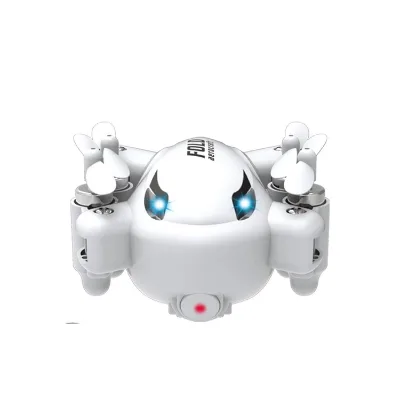
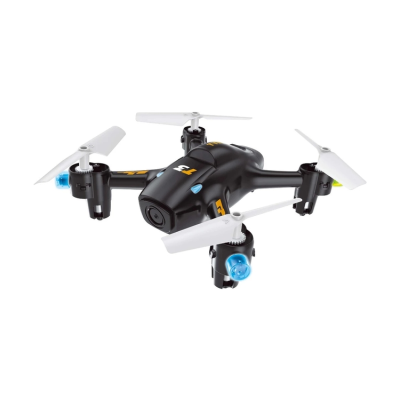


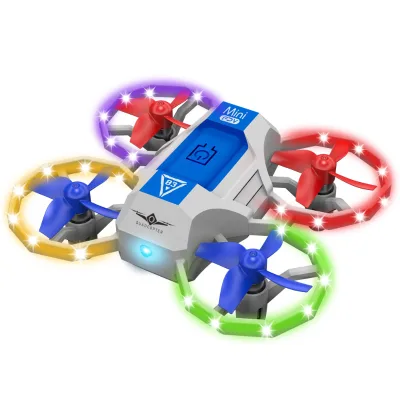
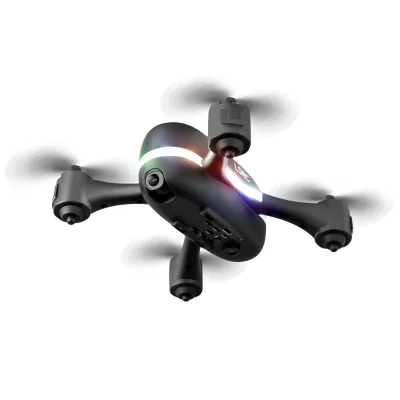
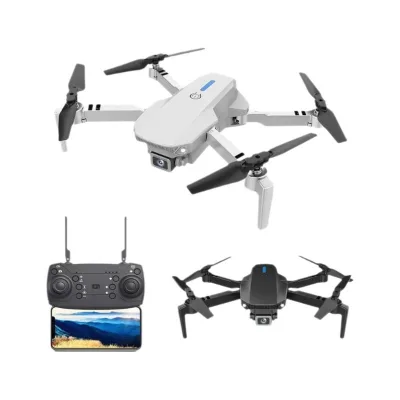
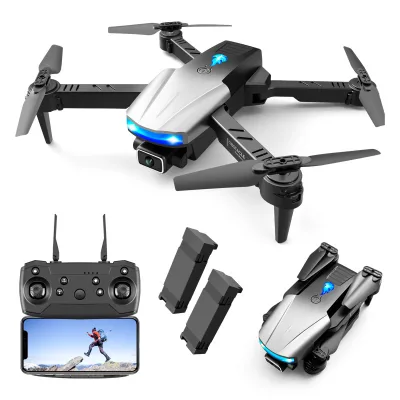
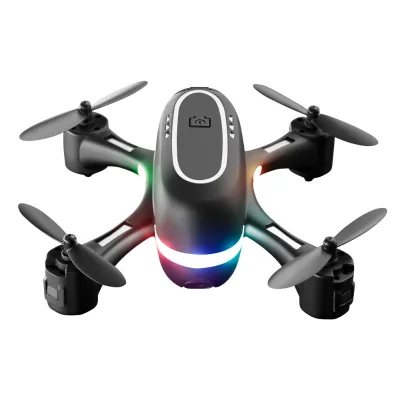
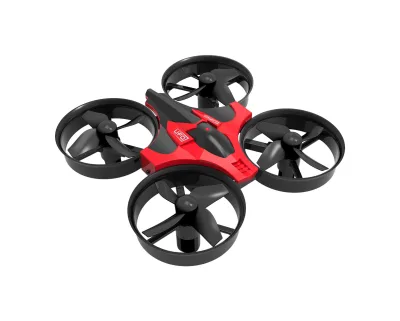

Comprehensive Sourcing Guide
Mini Drone Sourcing Guide
The global market for mini drones has expanded significantly, driven by demand for compact aerial solutions suitable for both recreational and light industrial applications. Based on observed listings, these units range from small fixed-wing UAVs to unmaned rotorcraft, with origins primarily in Chinese manufacturing hubs like Shantou, Guangdong, and Zhejiang. Buyers must distinguish between models designed for short-range operations and those capable of medium-altitude flights, as the intended use case dictates the necessary technical specifications and regulatory compliance requirements.
Procurement decisions should prioritize the specific operational radius and image capture capabilities required for the project. Available data indicates a wide variance in performance, with some units offering 4K image and video resolution while others are limited to basic transmission distances of 30 meters. Sourcing strategies must account for these disparities, ensuring that the selected model aligns with the operator's skill level, which ranges from beginner to advanced, and the specific environmental conditions where the drone will be deployed.
Product Scope and Observed Listing Signals
Buyers should first categorize inventory by structural design, as the market offers distinct options such as fixed-wing UAVs and unmanned rotorcraft. The observed product models, including the RFD571096, V-88, and V600, demonstrate varying physical dimensions and weights, with individual body weights ranging from 133 grams to 222 grams excluding batteries. Understanding these physical constraints is critical for logistics planning, as packing formats vary from standard cartons to specialized gift boxes and color box sets, directly impacting shipping costs and storage requirements.
The operational capabilities listed in product descriptions provide essential signals for matching supply to demand. While some units boast flight times exceeding ten minutes with transmission distances over one kilometer, others are limited to approximately fifteen minutes of usage with a range of only 100 meters. Procurement teams must verify these claims against the specific needs of the end-user, particularly regarding the power source, which is consistently battery-operated, and the charging time, which can extend up to 100 minutes for certain models.
Technical Specifications to Verify
Technical due diligence must focus on the battery specifications and flight endurance to ensure reliability in the field. The observed data highlights a 3.7V 1800 mAh lithium battery configuration for specific rotorcraft models, while other units list usage times as brief as seven to eight minutes. Buyers should verify the actual capacity and discharge rates of the power cells, as the listed "Usage Time" can vary significantly based on flight conditions, payload, and the efficiency of the remote control system used to manage the aircraft.
Image and video transmission quality are critical differentiators in the mini drone sector, with some listings advertising 4K resolution and others offering standard definition. The maximum flight time and image transmission distance are interdependent variables that require careful validation; a drone capable of 4K capture may have a reduced transmission range of only 30 meters compared to models with lower resolution but extended range capabilities. Sourcing teams must confirm that the remote control distance and video feed stability meet the operational radius requirements, whether the application demands short-range monitoring or longer-distance data collection.
Compliance and Safety Documentation
Regulatory compliance is a primary concern when sourcing electronic devices that emit radio frequencies and operate in shared airspace. The observed product listings frequently cite certifications such as CE, RoHS, FCC, and ISO, which are essential for market access in various regions. However, buyers must treat these certifications as observations rather than universal guarantees, verifying that the specific batch of drones being purchased holds valid documentation for the target export market, particularly regarding radio frequency interference and electromagnetic compatibility standards.
Safety documentation must also address the altitude capabilities and structural integrity of the aircraft. Listings indicate varying altitude classifications, ranging from low altitude to high altitude operations, which directly influences the regulatory framework under which the drone must operate. Procurement teams should request detailed safety manuals and risk assessments that outline the limitations of the remote control distance and the specific operating conditions for each model, ensuring that the equipment is suitable for the intended environment without violating local aviation laws.
Cost Drivers and Commercial Terms
Pricing in the mini drone sector is influenced by a complex mix of technical specifications, packaging requirements, and order volume. The observed price range spans from approximately 7.89 USD to 13,000 USD, reflecting the vast difference between basic toy-grade units and advanced industrial-grade UAVs. Buyers must analyze the cost structure relative to the included accessories, such as the battery capacity, remote control range, and the type of packaging, which can range from simple cardboard boxes to elaborate gift sets that add significant value but also cost.
Commercial terms, including the minimum order quantity (MOQ), vary widely across suppliers, with observed ranges from 1 to 1000 units. This flexibility allows buyers to test the market with small batches or secure large volumes for distribution, but it requires careful negotiation to align with cash flow and inventory management strategies. Sourcing teams should clarify the lead times and customization options available, as the ability to tailor the product model or packaging can significantly impact the final landed cost and the speed of time-to-market for the procurement project.
Supplier Qualification and Quality Control
Supplier qualification should begin with a thorough review of the manufacturing origin and production capabilities. The observed data points to key manufacturing regions in China, including Shantou, Guangdong, and Zhejiang Huzhou, each with distinct industrial ecosystems. Buyers should verify the supplier's ability to maintain consistent quality across different product models, such as the V-88 or H18, and ensure that the production facilities adhere to the stated standards for dimensions and weight, which are critical for shipping and regulatory compliance.
Quality control processes must be robust enough to handle the variability in product attributes observed in the market. Since product attributes are treated as observations rather than universal claims, buyers should implement pre-shipment inspections that specifically test the flight time, image transmission distance, and battery performance of random samples from the production batch. Establishing clear acceptance criteria for the physical dimensions, such as the unfolded and folded sizes of foldable models, ensures that the delivered goods match the technical specifications and packaging requirements agreed upon in the purchase order.
Long-Term Procurement Checks
Sustainable procurement requires ongoing monitoring of supplier performance and product reliability over the lifecycle of the partnership. Buyers should establish a feedback loop to track the performance of drones in the field, specifically noting any discrepancies between the advertised maximum flight time and actual usage time. Regular audits of the supply chain can help identify potential issues with battery degradation or remote control signal interference, allowing for proactive adjustments to the procurement strategy before they impact the end-user experience.
Long-term success also depends on the supplier's ability to adapt to evolving market demands and regulatory changes. As the mini drone industry continues to mature, suppliers must remain compliant with updated certification standards and safety regulations. Procurement teams should maintain open communication channels with suppliers to stay informed about new product models, such as the V196 or E88, and to ensure that the supply chain remains resilient against disruptions, securing a steady flow of high-quality mini drones that meet the evolving needs of the market.
FAQs
What certifications do these mini drones carry for export buyers?
The listed mini drones are certified under CE, RoHS, FCC, and ISO, which supports basic regulatory entry into many export destinations. Certification coverage can differ by model, so buyers should confirm the exact certificate scope for the specific unit they intend to order before finalizing a shipment or compliance plan.
Which models are suitable for beginner operators?
Beginner-level operation is listed for the mini drone lineup, meaning the models use remote control with approachable handling rather than advanced piloting requirements. New operators should still practice in open areas, review the manual, and confirm control range before flight, since models vary in transmission distance and flight time.
How far can the image transmission reach on these mini drones?
Transmission distance varies by model. Some fixed-wing units support image transmission beyond 1 km, while compact rotorcraft models list around 30 meters and remote control distances near 100 meters. Buyers should match the transmission range to their intended use, such as close-range recreational flying or longer-distance aerial capture.
What flight time can buyers expect from these mini drones?
Flight time depends on the model and battery configuration. Listed figures include usage times of 7 to 8 minutes, about 10 minutes, around 12 minutes, and about 15 minutes, with some models noting more than 10 minutes. Charging takes roughly 80 to 100 minutes on certain models, so spare batteries are practical.
Can these mini drones be customized for private-label orders?
Yes, customization is listed as available on the product page. Buyers can typically discuss branding, packaging, and specification adjustments with suppliers before ordering. Minimum order quantities range widely across listings, from single units for sampling up to 1000 pieces, so customization terms should be aligned with the chosen order volume.
What are the body weights and packaging details of these mini drones?
Individual body weights without battery are listed at 133g, 166g, and 222g across models, keeping units in the lightweight portable class. Packaging options include gift boxes, color boxes, and cartons, with color box set weights of 475g and 795g. Confirm packaging format per model, since it affects shipping volume and retail presentation.
Which mini drone models record in 4K?
Models listing 4K image capture resolution and 4K HD video capture resolution are available in the lineup, suited to buyers prioritizing aerial photo and video quality. Since resolution claims vary across models, buyers should verify camera specifications for the exact model and request sample footage or a sample unit before bulk ordering.
How are the mini drones packed and what carton sizes are used?
Packing formats include carton, gift box, color box, and cardboard box depending on the model. Listed carton standards include 68.5x35.5x12cm and 66x27x52cm, while color box package sizes include 22.2x8.1x17.4cm and 27.7x13.8x24.2cm. Buyers should confirm carton dimensions and units per carton when calculating freight costs.